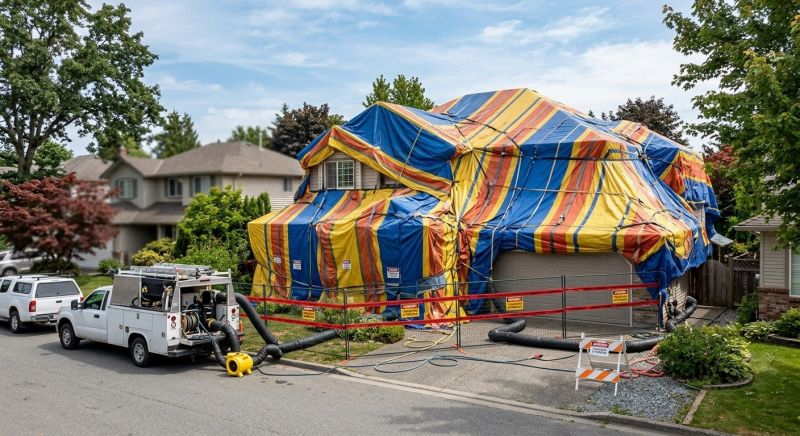
Termite Tenting in Asheville, NC
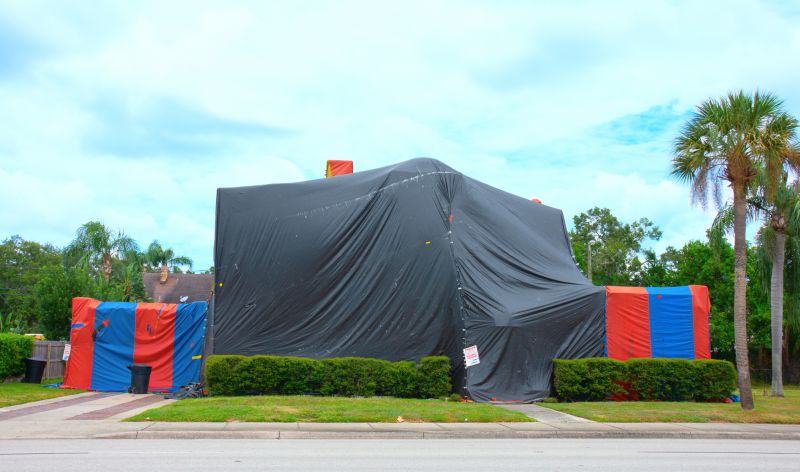
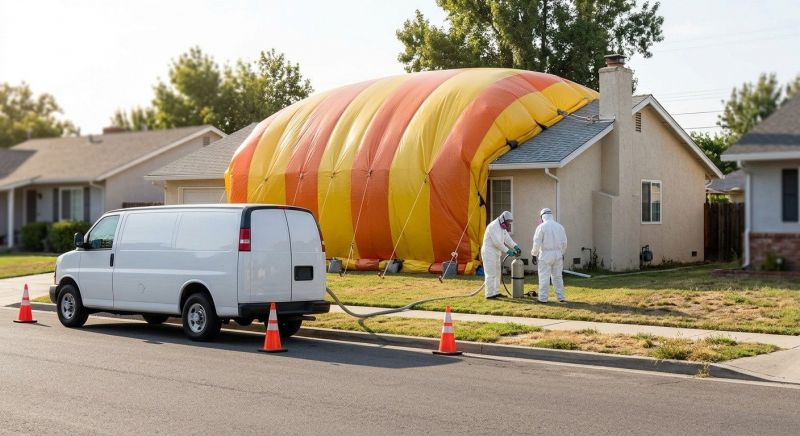
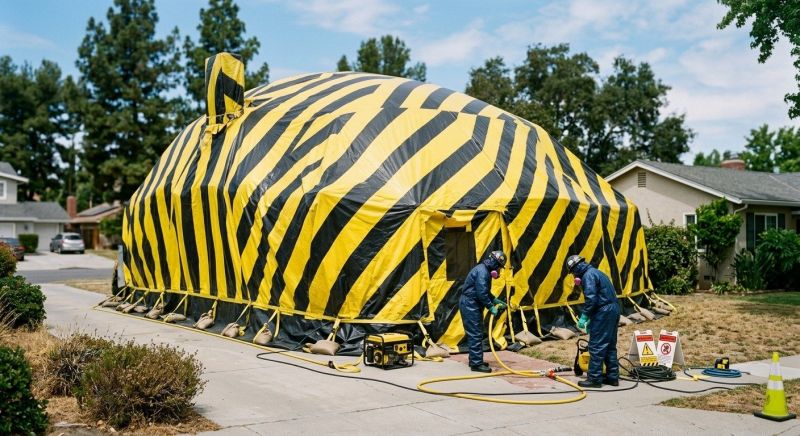
Termite tenting services involve enclosing a property in a specialized tent and releasing a fumigant to eliminate termite colonies that have infested the structure. This method is typically used for severe or widespread infestations that cannot be addressed with spot treatments alone. Property owners often request termite tenting when they discover signs of extensive termite damage or when a comprehensive eradication is necessary to protect the structural integrity of a home or building.
Before requesting termite tenting, homeowners should understand that the process requires vacating the property for a designated period, as the fumigant used is not safe to remain inside during treatment. It is also important to consider the scope of the infestation, the size of the property, and any necessary preparations to ensure the treatment is effective. Consulting with a pest control professional can help determine if tenting is the most suitable option for a specific situation.
Many property owners in Asheville, NC look into Termite Tenting for repairs, replacements, upgrades, and appearance-related improvements.

Effective Termite Control
Tenting creates a barrier that eliminates termites throughout residential and commercial properties in asheville.
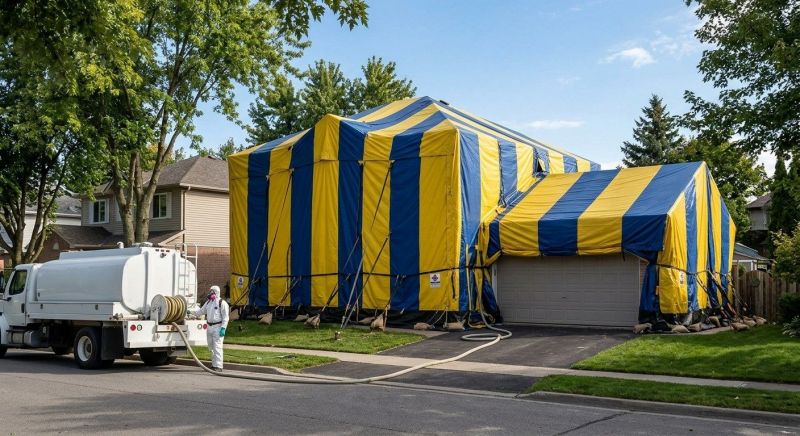
Protecting Your Property
Termite tenting helps prevent costly damage to homes and structures caused by subterranean and drywood termites.
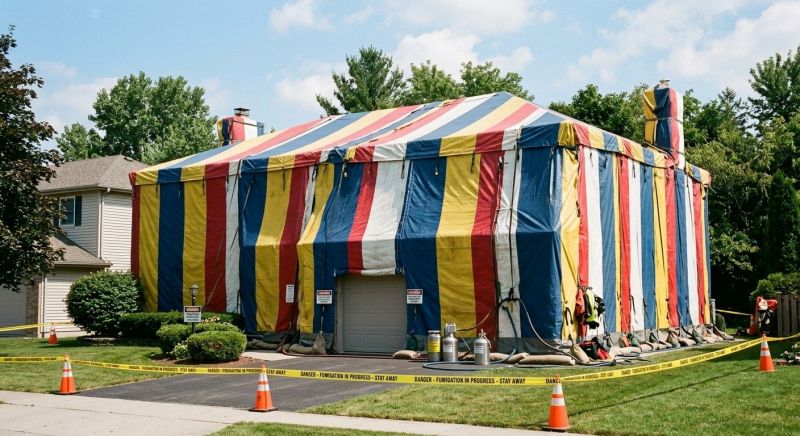
Comprehensive Treatment Approach
The process involves sealing and treating entire buildings to ensure complete eradication of termite colonies.
Termite Tenting in Asheville, NC
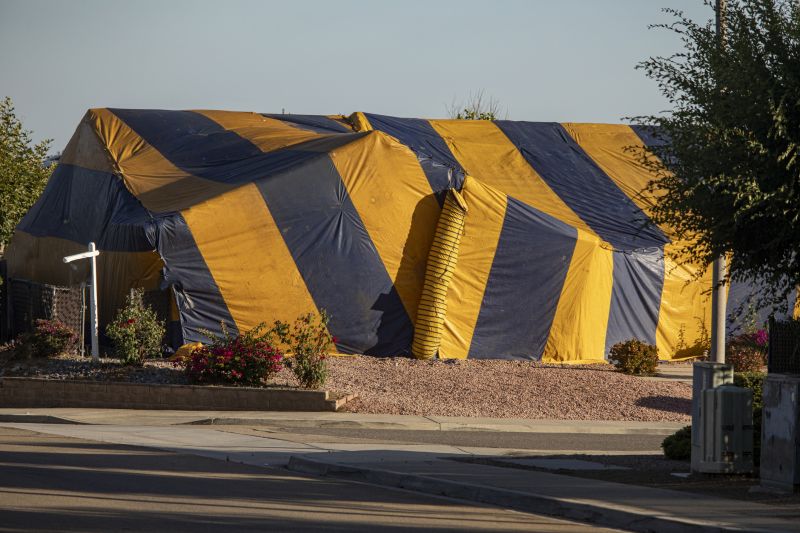
Termite tenting services involve enclosing a property in a specialized tent and releasing a fumigant to eliminate termite colonies that have infested the structure. This method is typically used for severe or widespread infestations that cannot be addressed with spot treatments alone. Property owners often request termite tenting when they discover signs of extensive termite damage or when a comprehensive eradication is necessary to protect the structural integrity of a home or building.
Before requesting termite tenting, homeowners should understand that the process requires vacating the property for a designated period, as the fumigant used is not safe to remain inside during treatment. It is also important to consider the scope of the infestation, the size of the property, and any necessary preparations to ensure the treatment is effective. Consulting with a pest control professional can help determine if tenting is the most suitable option for a specific situation.
Many property owners in Asheville, NC look into Termite Tenting for repairs, replacements, upgrades, and appearance-related improvements.
Common Termite Tenting Jobs
Termite Tenting - a comprehensive treatment method to eliminate termites from entire properties.
Infestation Control - effective for severe or widespread termite problems requiring full property treatment.
Preventive Tenting - used to protect new or vulnerable structures from future termite damage.
Re-treatment Services - available for ongoing protection or if initial treatments are not fully effective.
Property Inspection - essential to determine if tenting is necessary and to plan the appropriate treatment.
Post-Treatment Clearance - ensures the property is safe and free from active termites after the process.
Termite Tenting Questions
What is termite tenting? Termite tenting involves covering a property with a tent and releasing fumigant to eliminate termites throughout the structure.
When is termite tenting recommended? Tenting is typically used when termite infestations are extensive and other treatment methods are not effective.
Is property preparation needed before tenting? Yes, items such as food, plants, and personal belongings should be removed or protected before treatment.
How long does the tenting process take? The process usually requires a full day, including setup, treatment, and aeration, to ensure safety and effectiveness.
Request Termite Tenting in Asheville, NC
Use the quote form on this page to share the basics of your project and request more information for the type of work you need.